What is the Difference Between CZ and Lab-Created Diamonds?
When shopping for diamonds, it can be confusing to understand the different types available, especially when you come across terms like CZ (Cubic Zirconia) and lab-created diamonds. Although both are popular choices in jewelry, they are quite different in terms of their composition, appearance, and value. In this post, we’ll explore the key differences between CZ and lab-created diamonds to help you make an informed decision.
1. What is CZ (Cubic Zirconia)?
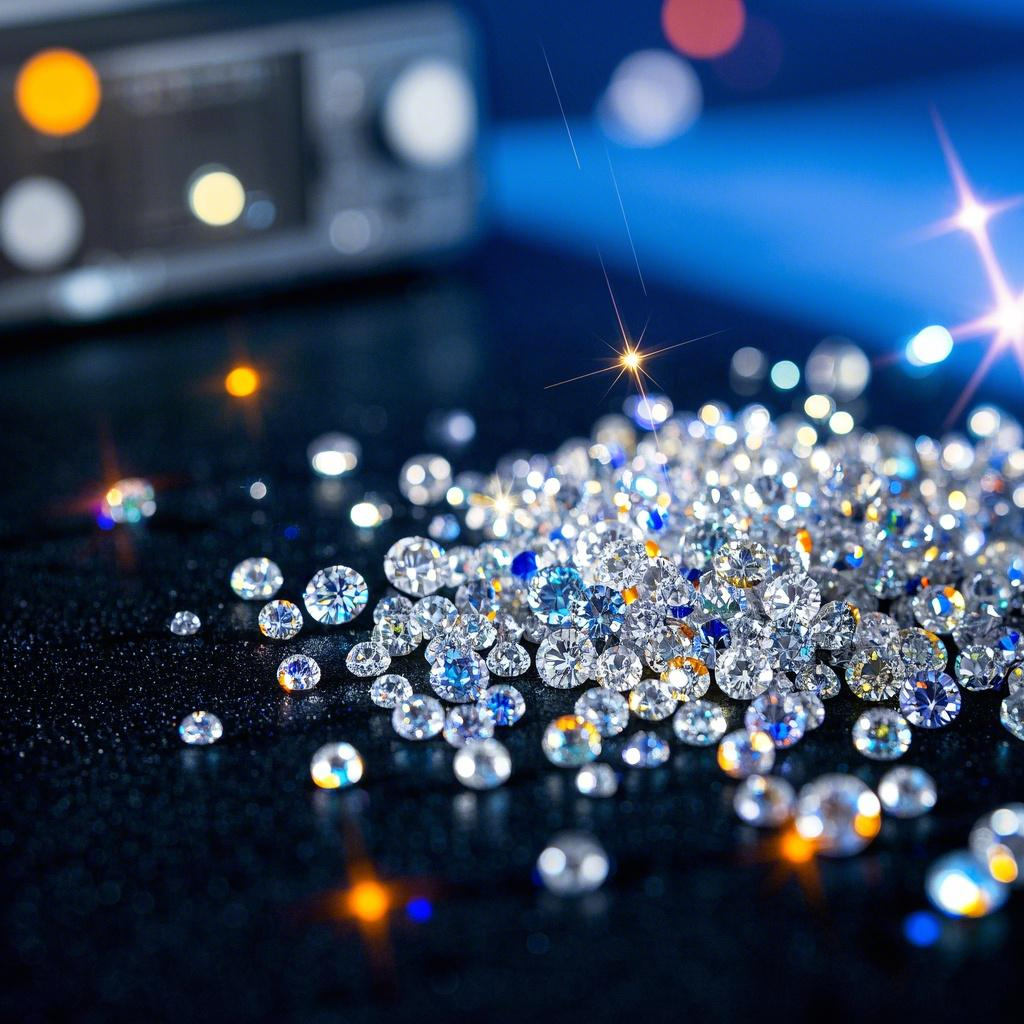
Cubic Zirconia, commonly referred to as CZ, is a synthetic gemstone made from zirconium dioxide. It is produced in a lab setting to mimic the appearance of a diamond but is a completely different material. CZ is not a natural stone and is much less expensive than diamonds, making it a popular choice for costume jewelry and budget-friendly alternatives to diamonds.
Key Features of CZ:
-
Appearance: CZ has a similar sparkle and brilliance to diamonds, but it is often more “flashy” or “rainbow-like” due to its high refractive index.
-
Hardness: On the Mohs scale of hardness, CZ scores around 8-8.5, which is much softer than a diamond’s score of 10.
-
Price: CZ is significantly cheaper than both natural and lab-created diamonds, making it an affordable option for those on a tight budget.
-
Durability: CZ is more prone to scratching, fading, and losing its brilliance over time due to its lower hardness.
2. What is a Lab-Created Diamond?
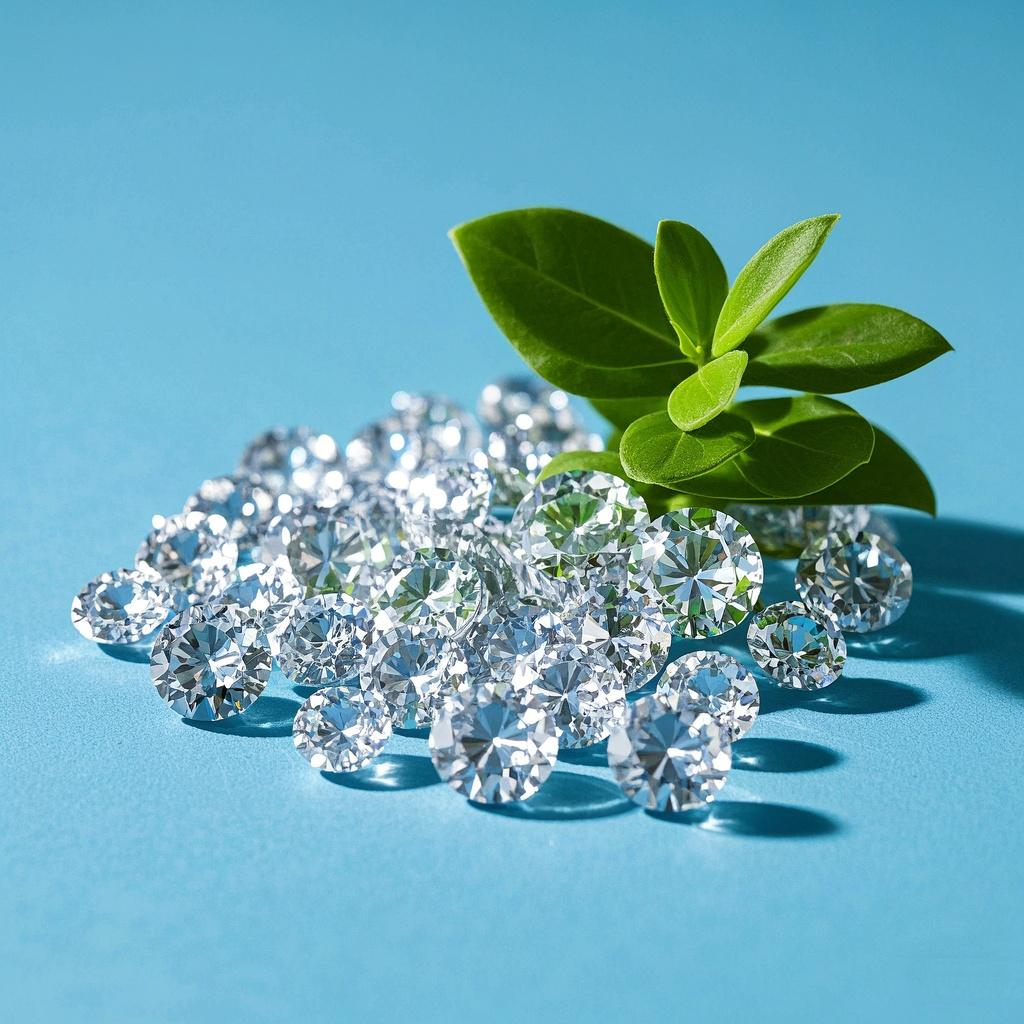
Lab-created diamonds, also known as man-made diamonds, are real diamonds produced in a lab under controlled conditions that mimic the natural process of diamond formation. Using either High Pressure High Temperature (HPHT) or Chemical Vapor Deposition (CVD) methods, lab-grown diamonds are chemically identical to mined diamonds, with the same physical and optical properties.
Key Features of Lab-Created Diamonds:
-
Appearance: Lab-created diamonds look identical to natural diamonds, with the same brilliance, sparkle, and clarity. They are available in various cuts, colors, and carat weights.
-
Hardness: Lab-created diamonds are just as hard as natural diamonds, with a Mohs scale rating of 10, making them the hardest known material on Earth.
-
Price: While lab-created diamonds are less expensive than mined diamonds, they are generally more expensive than CZ. However, the price is still significantly lower than natural diamonds, making them a more affordable option for those seeking a real diamond.
-
Durability: Lab-created diamonds are just as durable and resistant to scratching, chipping, and fading as natural diamonds, making them an excellent long-term investment.
3. The Key Differences at a Glance
| Feature | CZ (Cubic Zirconia) | Lab-Created Diamond |
|---|---|---|
| Material | Zirconium dioxide | Carbon (same as natural diamond) |
| Hardness (Mohs scale) | 8-8.5 | 10 |
| Appearance | Flashy, rainbow-like sparkle | Similar to natural diamonds, brilliant |
| Price | Affordable | Less expensive than natural diamonds |
| Durability | Prone to scratches | Highly durable and resistant to wear |
| Resale Value | No resale value | May hold some resale value |
4. Which One Should You Choose?
The choice between CZ and lab-created diamonds largely depends on your budget, preferences, and the type of jewelry you’re purchasing.
-
Choose CZ if you’re looking for an affordable option with a lot of sparkle for fashion or costume jewelry. It’s a great choice for those who love the look of diamonds but don’t want to spend much.
-
Choose a Lab-Created Diamond if you want a genuine diamond that is identical to a mined diamond in terms of quality and durability. It offers a real diamond experience at a lower price point and holds better value over time.